 By Rimmy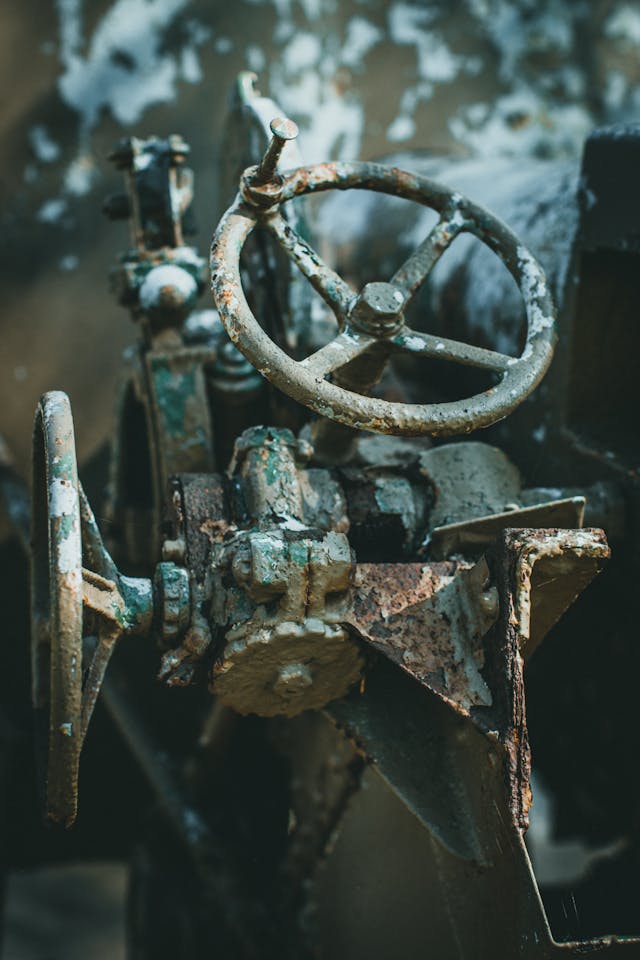
Corrosion is a natural process that affects almost every material exposed to environmental conditions. While many objects and structures are painted for aesthetic purposes, the primary reason behind protective coatings is to prevent corrosion and extend the service life of materials. In addition to protection, coatings also offer functionalities such as friction reduction (dry-film lubricants), non-skid protection, and abrasion resistance.
Professionals and inspectors with a solid understanding of corrosion are better equipped to apply industry standards and ensure the longevity of structures.
What is Corrosion?
Corrosion refers to the deterioration of materials due to chemical or electrochemical reactions with their environment. While steel is the most common material studied, corrosion also affects concrete, wood, plastics, and other metals.
For example, in reinforced concrete, the corrosion of steel bars weakens the structure and leads to cracking and degradation. Similarly, metals like copper, brass, zinc, and stainless steel are prone to corrosion, though often at slower rates. In these cases, the formation of protective oxides (passivation) helps delay further deterioration.
Electrochemical Corrosion
Electrochemical reactions are the leading cause of metal corrosion. For a corrosion cell to form, four elements are required:
- Anode (where metal dissolves)
- Cathode (where electrons are consumed)
- Electrolyte (water, seawater, or moisture with salts/chemicals)
- Metallic pathway (that allows electron flow)
Without any one of these, corrosion cannot occur. This process is similar to the operation of a battery, where current flows between the anode and cathode through an electrolyte.
How to Check Salt Contamination on Steel Surfaces Before Painting
Corrosion in Steel Structures
Steel naturally develops anodic and cathodic zones across its surface due to its non-homogeneous composition. In the presence of water or moisture, especially with dissolved salts like sodium chloride, steel rapidly corrodes. Marine environments, deicing salts, and industrial pollutants significantly accelerate this process.
Pitting corrosion, mill scale corrosion, and environmental factors such as humidity, temperature, and airborne chemicals all contribute to different types of steel degradation.
Impact of Corrosion
Corrosion has serious implications in terms of:
- Safety: Weakening bridges, storage tanks, pipelines, and structures.
- Cost: Maintenance, repair, and replacement costs often exceed initial construction costs. In the U.S. alone, corrosion is estimated to cost billions annually.
- Aesthetics: Rusted and peeling surfaces are unsightly, especially for infrastructure, industrial plants, and consumer products.
Corrosion Control Methods
Several strategies help reduce or prevent corrosion, including:
- Design Improvements – Avoiding moisture traps, ensuring drainage, and providing access for maintenance and coatings.
- Inhibitors – Adding chemicals that slow corrosion in pipelines, cooling systems, and oilfield operations.
- Material Selection – Using corrosion-resistant alloys like stainless steel or noble metals.
- Cathodic Protection – Using sacrificial anodes (zinc, magnesium, aluminum) or impressed current systems.
- Protective Coatings – Barrier coatings, sacrificial coatings, and inhibitor-based primers (e.g., zinc phosphate).
- Environmental Control – Dehumidification, oxygen reduction, and minimizing chemical exposure.
Conclusion
Corrosion is unavoidable but controllable. By applying protective coatings, selecting appropriate materials, and implementing design and environmental controls, industries can extend the lifespan of critical infrastructure, reduce costs, and ensure safety. Effective corrosion management is essential for industries such as oil and gas, marine, construction, and manufacturing.
 Admin
Admin