 By admin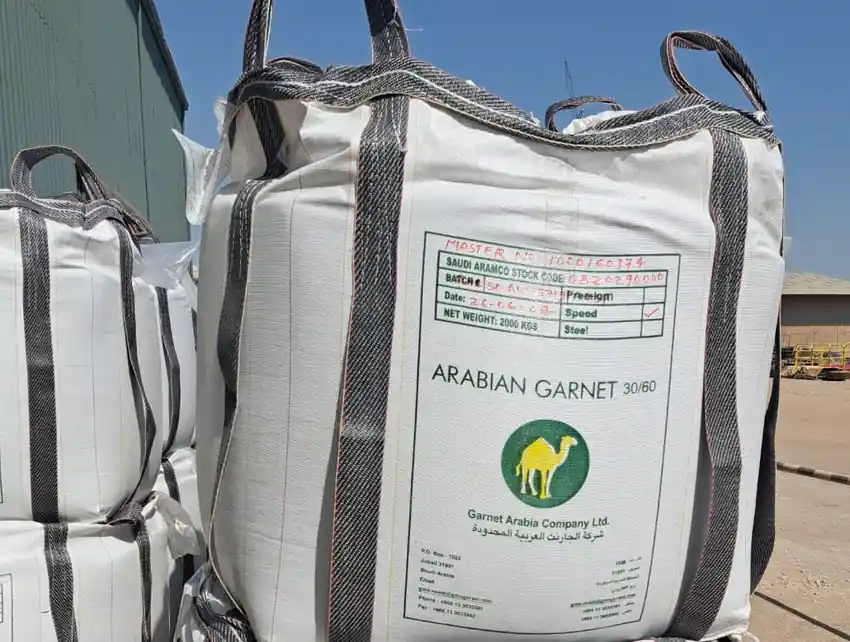
By Pritam Singh, QC Coating Inspector
In my 11 years of experience in oil & gas coating inspection, I have seen many surface preparation failures that were not caused by poor blasting technique — but by wrong abrasive selection.
Abrasive choice directly affects:
- Surface cleanliness
- Surface profile (anchor pattern)
- Production speed
- Coating adhesion
- Long-term corrosion protection
Selecting the correct abrasive is critical for steel structures in industrial, marine, and offshore environments.
This guide explains how to select the right abrasive for steel structures based on field conditions and coating requirements.
Why Abrasive Selection Is Important
Abrasive blasting serves two main purposes:
1️⃣ Remove contamination (rust, mill scale, old coating)
2️⃣ Create the correct surface profile for coating adhesion
If the abrasive is too fine → profile too low
If abrasive is too coarse → profile too high
If abrasive is contaminated → coating failure
Correct abrasive selection ensures both cleanliness and profile compliance.
Key Factors to Consider Before Selecting Abrasive
Before approving abrasive for site use, I always verify:
✔ Required cleanliness grade (Sa 2½, Sa 3, etc.)
✔ Required surface profile range (µm/mils)
✔ Type of coating system
✔ Environmental exposure (marine, immersion, atmospheric)
✔ Steel thickness and hardness
✔ Recycling system availability
Types of Abrasives Used for Steel Structures
Abrasives are generally classified into:
- Metallic abrasives
- Non-metallic abrasives
- Natural abrasives
- Synthetic abrasives
1️⃣ Metallic Abrasives
Steel Shot
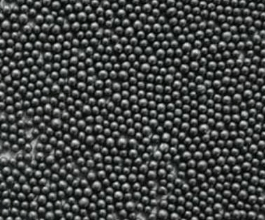
Shape: Spherical
Profile Produced: Dimpled/peened surface
Best for:
- Shot blasting machines
- Structural steel fabrication
- Recyclable systems
Advantages:
✔ Durable
✔ Reusable multiple times
✔ Consistent cleaning
Limitation:
❌ Produces lower angular profile compared to grit
Steel Grit
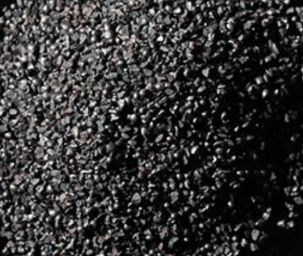
Shape: Angular
Best for:
- Heavy-duty industrial structures
- Offshore components
- High-build coating systems
Advantages:
✔ Produces sharp anchor profile
✔ High cleaning efficiency
✔ Recyclable
Common for oil & gas yard blasting.
2️⃣ Non-Metallic Abrasives
Garnet

Very popular in oil & gas projects.
Advantages:
✔ Low dust
✔ Good cutting ability
✔ Minimal embedment risk
✔ Suitable for field blasting
Commonly used for:
- Maintenance work
- Pipeline blasting
- Tank external surfaces
Aluminum Oxide
Very hard and aggressive.
Best for:
- Heavy corrosion removal
- Tough coating removal
Limitation:
❌ Higher cost
Copper Slag / Coal Slag
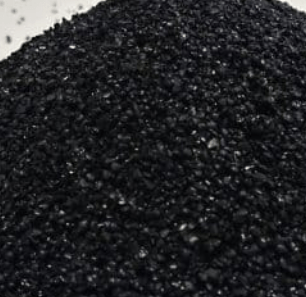
Used in some regions for open blasting.
Advantages:
✔ Good cutting performance
✔ Economical
Limitations:
❌ Higher dust
❌ Environmental concerns in some countries
3️⃣ Natural Abrasives
Silica Sand (Not Recommended)
Previously common but now restricted in many countries due to health hazards (silicosis risk).
Avoid unless specifically permitted and controlled.
How Abrasive Shape Affects Surface Profile
Angular Abrasive (Grit, Garnet)
- Produces sharp, deep anchor pattern
- Better for epoxy and high-build coatings
Rounded Abrasive (Shot)
- Produces peened surface
- Lower profile
- Suitable for thin coatings
Abrasive Size vs Surface Profile
Larger abrasive particle size → Higher profile
Smaller abrasive particle size → Lower profile
Example:
- 50–75 µm profile → Medium grit size
- 75–125 µm profile → Coarser grit
Always verify actual profile using replica tape or depth gauge.
Never assume based on abrasive size alone.
Abrasive Selection Based on Service Environment
🔹 Atmospheric Exposure
- Medium profile (50–75 µm)
- Garnet or steel grit suitable
🔹 Marine / Offshore
- Higher profile (75–100 µm)
- Angular abrasive preferred
- High cleanliness grade (Sa 2½ or Sa 3)
🔹 Immersion Service
- Strict cleanliness
- Controlled abrasive
- No embedment
- Often Sa 3 required
Common Mistakes in Abrasive Selection
❌ Using same abrasive for all projects
❌ Not checking abrasive cleanliness
❌ Ignoring chloride contamination in abrasive
❌ Excessive recycling leading to size reduction
❌ Mixing incompatible abrasive types
Abrasive Quality Control Checks
Before approving abrasive, I verify:
✔ Supplier approval
✔ Sieve analysis (particle size distribution)
✔ Chloride contamination test
✔ Oil contamination check
✔ Moisture content
✔ Recyclability condition
Abrasive Recycling Control
In recycling systems:
- Fine particles increase over time
- Profile reduces
- Dust level increases
Regular sieve analysis is required to maintain profile consistency.
Practical Field Recommendation
For most oil & gas steel structures:
✔ Garnet (good quality) for field blasting
✔ Steel grit for yard blasting with recovery system
✔ Angular abrasive for high-build epoxy systems
✔ Avoid silica sand
Final selection must align with coating manufacturer recommendation and project specification.
Conclusion
Abrasive selection directly affects:
- Surface cleanliness
- Surface profile
- Coating adhesion
- Long-term durability
From my experience, wrong abrasive selection is one of the top hidden causes of coating failure.
Surface preparation quality begins with selecting the right abrasive — not just blasting technique.
📌 Related Articles
FAQ
Garnet for field work and steel grit for yard blasting are most commonly used.
Yes. Larger particles produce higher surface profile.
It creates sharp anchor patterns that improve mechanical bonding.
Yes. Chloride or oil contamination can lead to premature corrosion.
Regularly through sieve analysis and contamination checks to maintain consistency.